



France is currently grappling with a wave of student unrest that has spiraled from localized grievances into a national crisis. Prime Minister Sebastien Lecornu called an emergency meeting on Thursday and ordered ministers to cancel all upcoming travel to address the escalating situation. What began last week in schools around the Paris region has rapidly expanded across the country, driven by high schoolers protesting overcrowded schedules, underfunded facilities, and a rigid educational system they claim ignores their mental health.
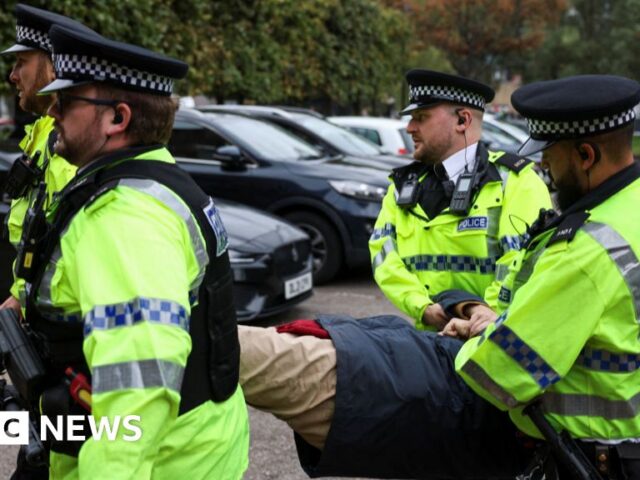
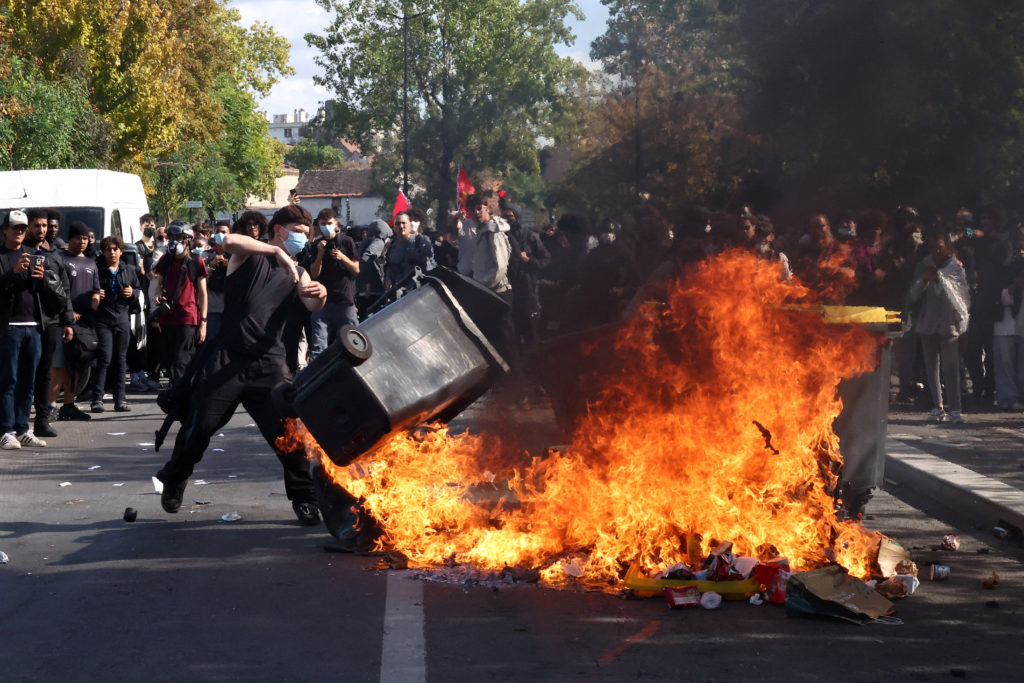
The atmosphere on the ground remains volatile, characterized by barricaded entrances and violent clashes between youth protesters and security forces. Police have made hundreds of arrests as both sides trade accusations of brutality; while authorities point to arson and projectiles thrown by students, reports have surfaced regarding injuries caused by police riot control measures. Education Minister Edouard Geffray highlighted the severity of the chaos, noting that some staff members were targeted with gasoline and one school was set ablaze, prompting him to authorize remote learning wherever physical campuses became unsafe.
These demonstrations are coinciding with a period of intense political instability as France prepares for next May’s presidential election. With Emmanuel Macron constitutionally unable to seek a third term, the turmoil is becoming a central theme for candidates vying for power. Far left hopeful Jean Luc Melenchon has condemned the government’s response as overly repressive, though his opponents argue he is merely exploiting the anger of teenagers to gain electoral momentum. This social friction arrives just as the government attempted to unveil its cost cutting budget for 2027, which has been largely overshadowed by the noise of sirens and shouting in the streets.
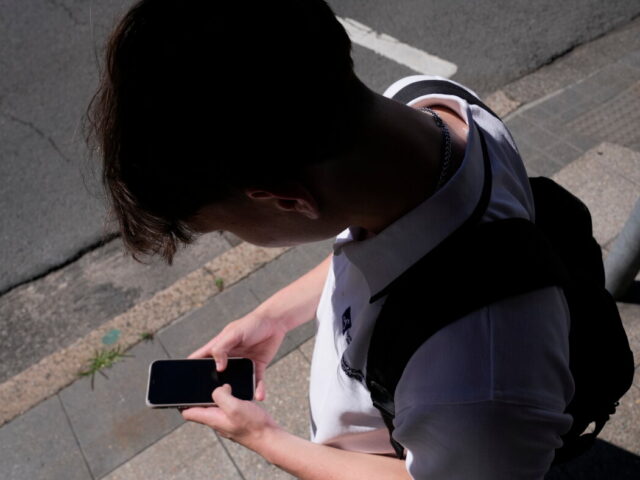
Amidst the conflict, some educators have taken an unexpected stand in solidarity with their pupils. In Paris, teachers like Juliette Estiville have joined picket lines not necessarily to endorse every tactic used by students, but to act as human shields against police intervention. For many students involved, such as eighteen year old Salama Gargouri and classmate Janna Tahari, the fight is about more than just funding; it is a rebellion against an exhausting daily grind that sees them trapped in classrooms from early morning until evening without adequate support.